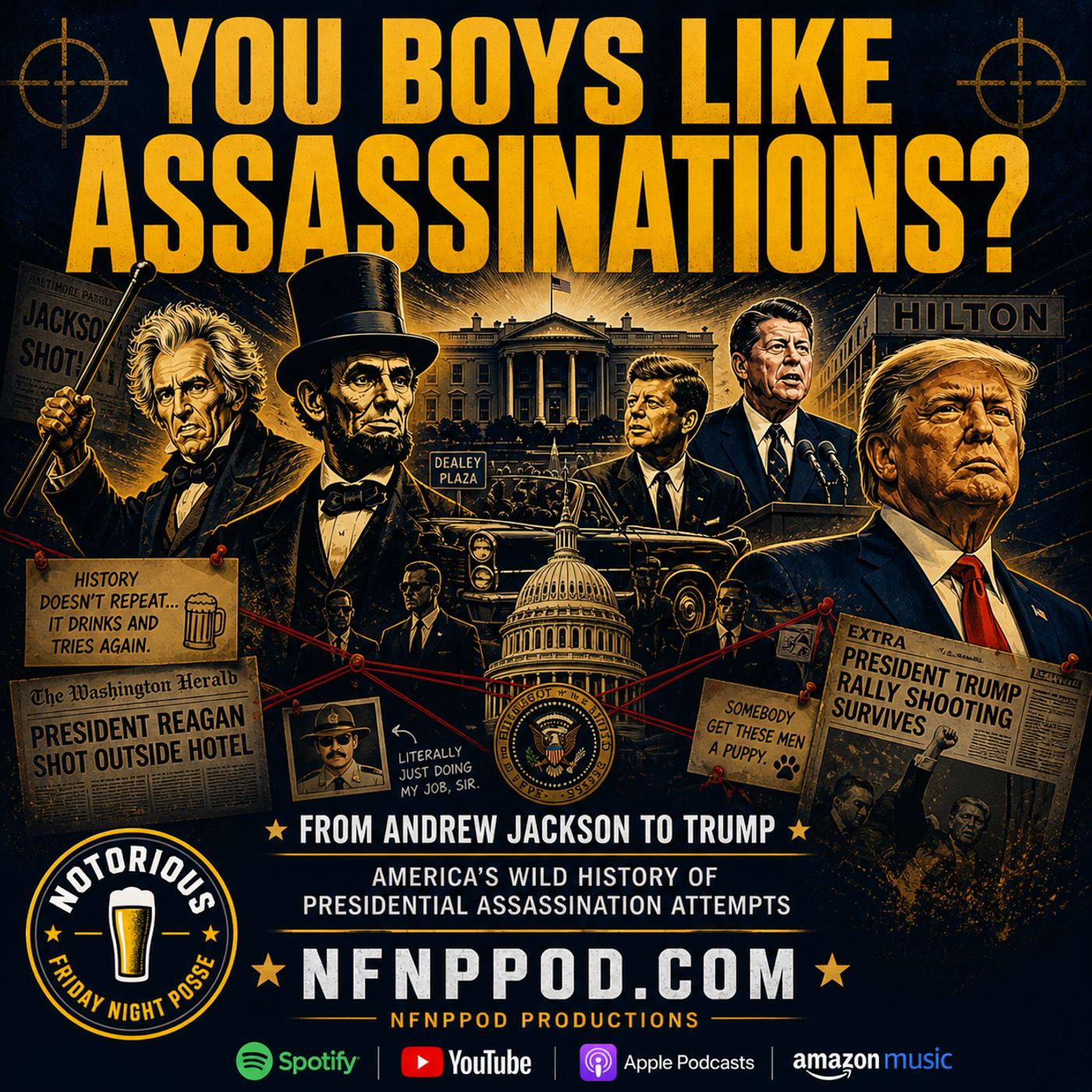
US Presidential Assassination Attempts: What We Actually Learned
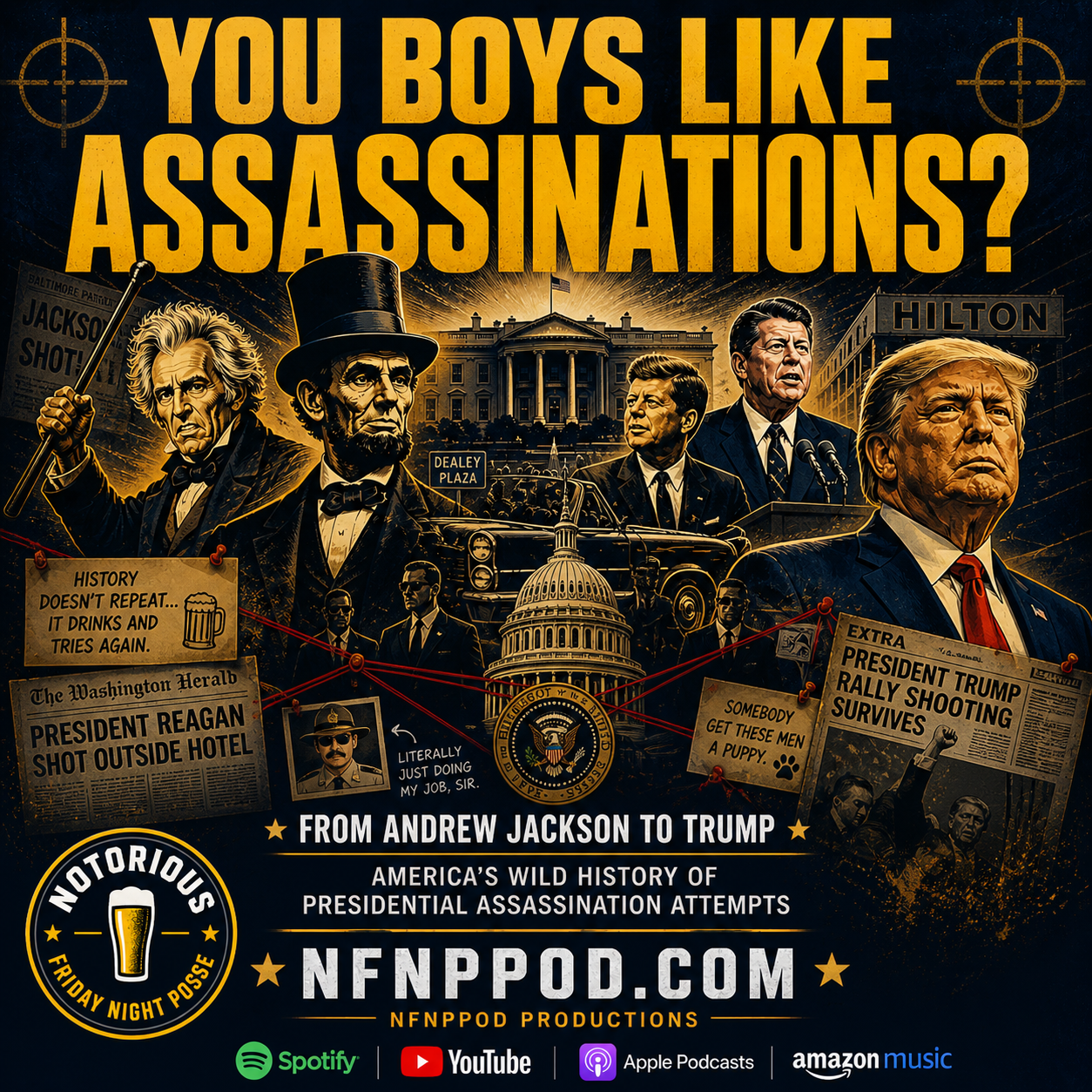
The Job Description Nobody Talks About Being President of the United States is sold as power, prestige, and Air Force One. What it actually includes, historically, is a non-zero chance someone is going to try to kill you. Not metaphorically. Not politically. Literally. Four presidents have been assassinated, and at least nine others have survived direct attempts. That’s not rare. That’s a pattern. And if you zoom out far enough, it starts to look less like isolated madness and more like a recurring glitch in the system.
The Numbers Are Already Insane Before You Get to Modern Times Let’s level-set. Four sitting presidents killed: Lincoln, Garfield, McKinley, JFK. Multiple others nearly erased: Jackson, Teddy Roosevelt, Truman, Ford twice, Reagan. That alone should change how you think about history. Because for every one that “happened,” there are several that almost did. And “almost” is doing a lot of heavy lifting. Inches. Seconds. A misfire. A piece of paper in a pocket. A bystander grabbing an arm. That’s the difference between the timeline we live in and one where everything plays out differently.
Andrew Jackson, Teddy Roosevelt, and the Era of Absolute Madness The early attempts sound fake until you remember they’re real. Andrew Jackson’s assassin fired two pistols. Both misfired (1/125,000 odds). Jackson responded by beating the guy with a cane. No security detail just vibes and violence. Then you get Teddy Roosevelt, who gets shot, realizes it didn’t hit his lungs, and finishes a 90-minute speech before getting medical help. That’s not leadership training. That’s a man who decided bleeding internally was less important than crowd engagement. These stories are funny, until you realize how close they came to completely rewriting history.
The Presidents Who Didn’t Get So Lucky Lincoln gets shot days after the Civil War effectively ends. Garfield survives the bullet, then dies slowly because 1880s medicine was basically guesswork with dirty hands. McKinley gets shot at a public event, and suddenly America realizes maybe the president shouldn’t just be shaking hands in an open crowd. Then JFK, which is where the entire country collectively goes, “Yeah… something about this still doesn’t feel right.” Whether you’re conspiracy-inclined or not, JFK changed how Americans process power, secrecy, and trust forever.
The “Wait… That Almost Happened?” Era This is where it gets interesting. Gerald Ford survives two assassination attempts in 17 days. Same state. Same month. That’s not history, that’s chaos. Reagan gets shot in 1981, and the bullet misses his heart by inches after ricocheting off the limo. Doctors later said the outcome could have flipped instantly with a slightly different angle. That’s the theme that keeps coming up: history isn’t stable. It’s fragile. It survives on luck more than we’d like to admit.
Trump and the Modern Era: The Volume Is the Story Now we get to Trump, where things change again. Not because assassination attempts are new, but because the frequency and visibility feel different. Three confirmed direct attempts or active incidents tied to him:
- Butler, Pennsylvania (2024): Shot during a rally, hit in the ear. A slight head turn changes everything. If he doesn’t move, we’re talking about a completely different country right now.
- West Palm Beach Golf Course (2024): Armed suspect positioned near the course. Intercepted before a shot is fired. Another “if this plays out differently” scenario.
- White House Correspondents’ Dinner (2026): Armed suspect breaches security environment. Shots fired, Secret Service officer hit. Case still unfolding, with questions about what exactly happened in those seconds.
That’s three high-level, real-world incidents in a compressed timeframe. Add in known plots, threats, and disruptions, and you start asking the obvious question:
How many more are we not hearing about?
Alternate History: The “What If” Nobody Likes Thinking About This is where it gets uncomfortable. What if Jackson’s guns worked? What if Teddy’s speech notes weren’t in his pocket? What if Reagan’s angle is slightly different? What if Trump doesn’t turn his head in Butler? These aren’t conspiracy theories. These are physics questions. Slight changes, massive outcomes. Different presidents. Different policies. Different wars. Different America. We tend to think history is inevitable. It’s not. It’s barely holding together.
The Pattern Nobody Wants to Admit Exists Every era thinks it’s unique. It’s not. The tools change, the motives evolve, but the pattern stays:
- 1800s: pistols and personal grudges
- early 1900s: anarchists and political ideology
- mid-1900s: global tension and high-profile targets
- modern era: media exposure, polarization, notoriety
Same story. Different technology. The presidency attracts attention, and attention attracts the worst possible actors.
The Real Takeaway: We’re Not Safer, We’re Faster Security is better. Response is faster. Threat detection is more advanced. But that doesn’t mean the danger is gone. It means we’re catching more of it before it becomes history. Which leads to the most important realization from this episode:
There are likely more attempts than we realize, not fewer.
Final Thought: Coincidence, Luck, or Something Else? You can call these isolated incidents. You can call them bad luck. You can call them the cost of power. But at some point, when you stack them all together, it stops feeling random. Presidents don’t just lead the country. They survive it. And sometimes, barely.
Listen to the full episode: “You Boys Like Assassinations?” at NFNPPOD.com
THE GREAT AMERICAN DEBT RESET - Act 1